Like I said in the description of this blog, I may have lived in QC all my life, but I don’t claim to know every inch of it. Which is why I was intrigued when an Instagram post by Stories in Stone somehow made it to my feed. It promised to “retrace Quezon City’s historic monuments” and announced the opening of an exhibit featuring the city’s 10 monuments as part of the Information Design thesis of the researcher.
I didn’t even know that QC has 10 historical monuments, so I decided to stop by on the second day of the exhibit to see what the project was all about.
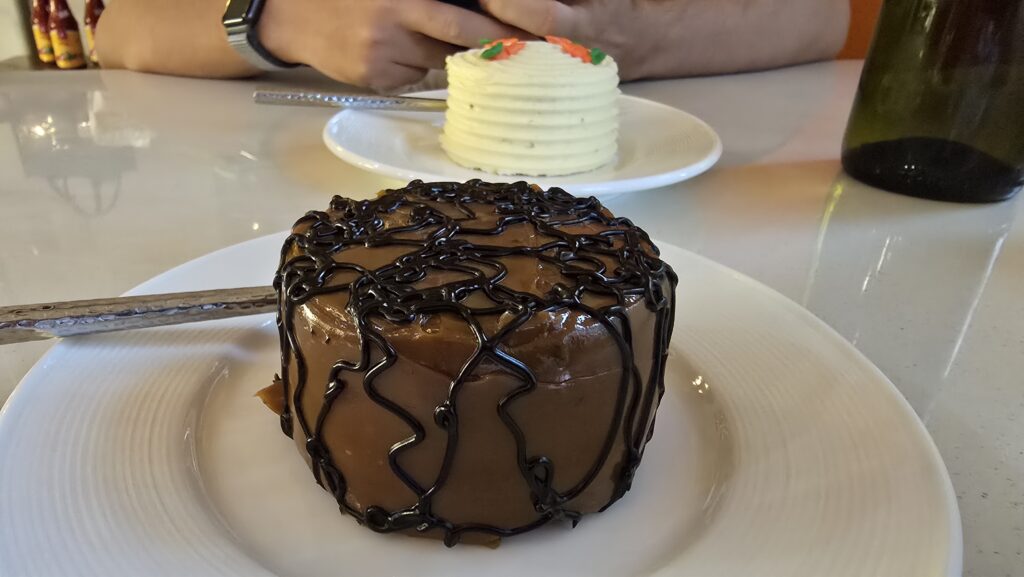
The exhibit, which launched March 6 and ran from 4 pm to 9 pm on the first day, was held at Cravings Maginhawa. Before we checked out the exhibit, we had a little cake break.
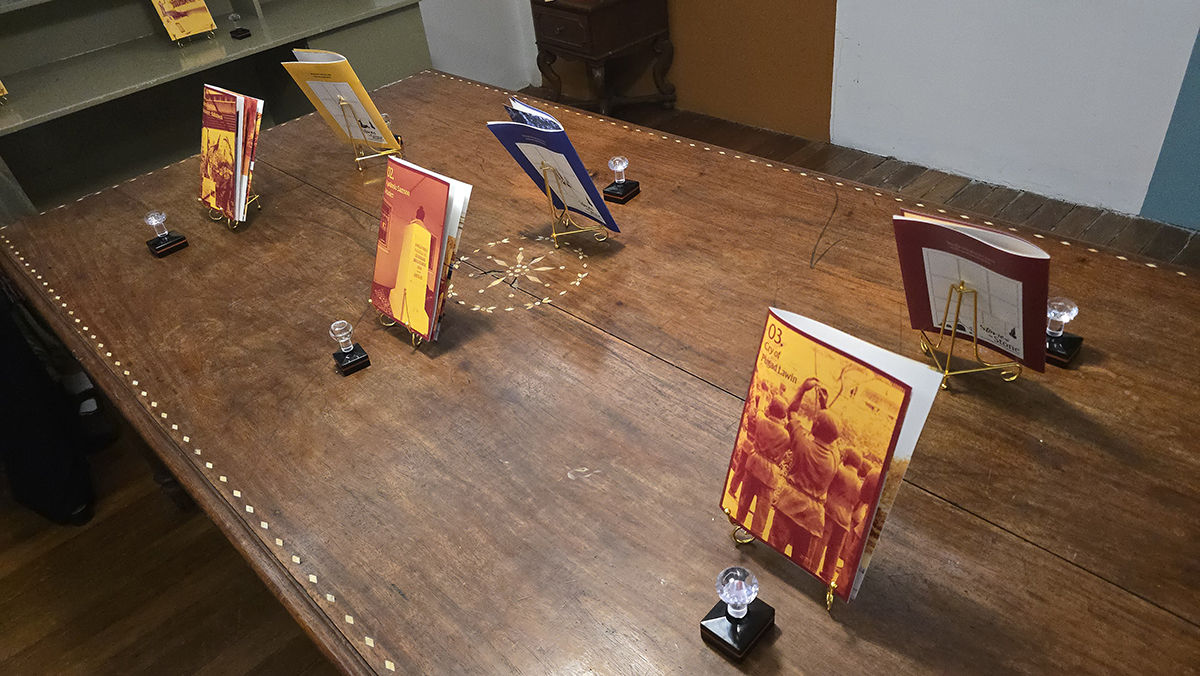
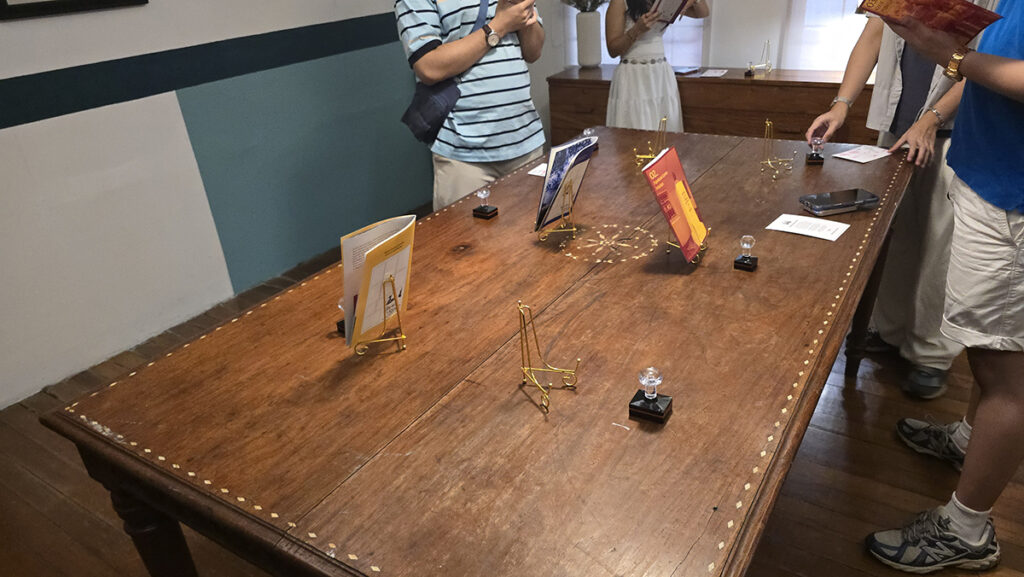
Afterwards, we headed up to the exhibit. The researcher behind this project, Renee Dalumpines, approached us, introduced the project, and handed us two of the postcards displayed at the entrance.
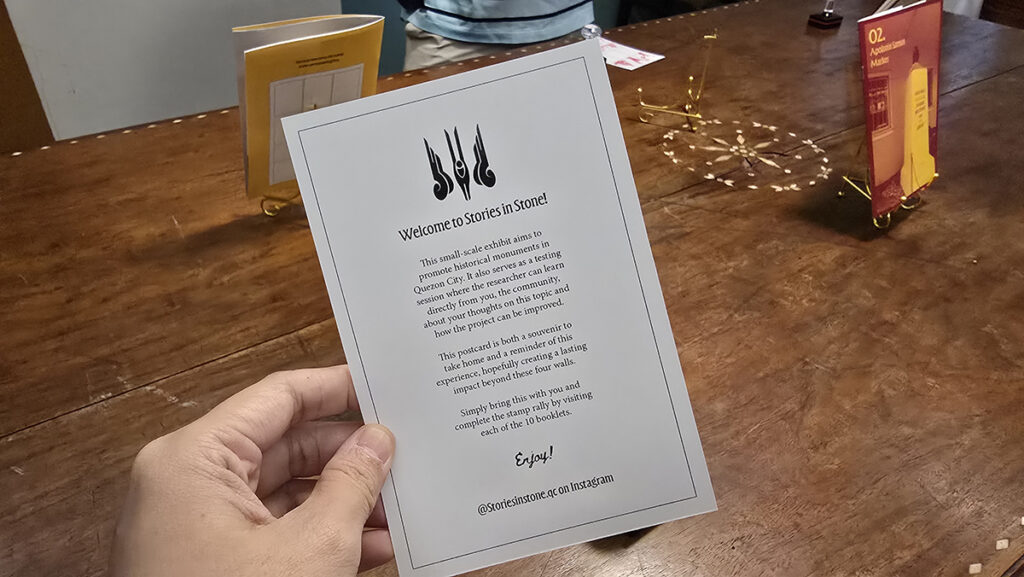
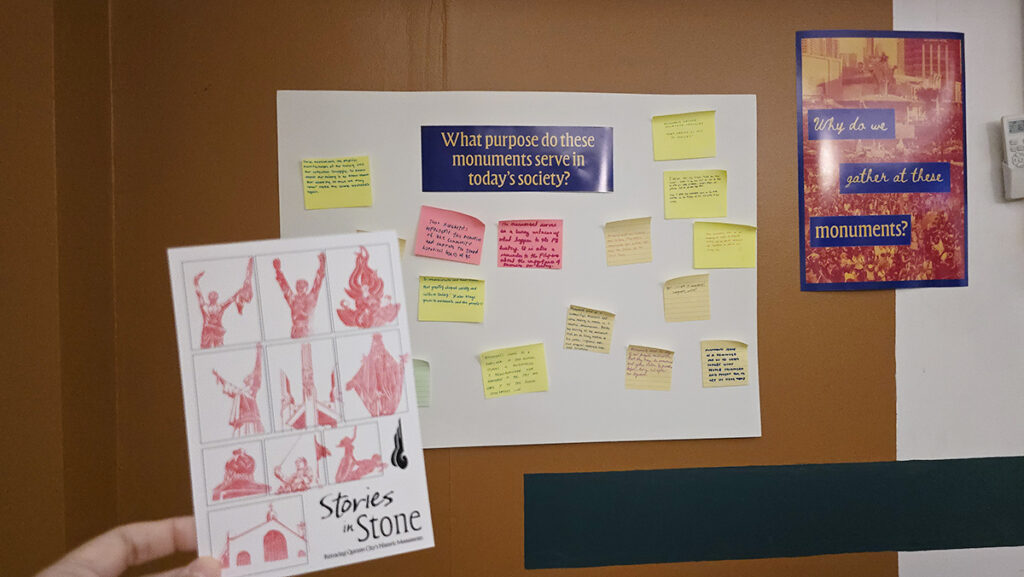
The exhibit was pretty interactive; you stop at each booklet containing photos and write-ups about each monument, and once you’re done reading, you stamp the corresponding space on your postcard. Kind of like the passports for US national parks that you can get stamped during your visit. It’s a cute idea that the city’s tourism department or even the country’s national museums can adopt for various key sights and landmarks.
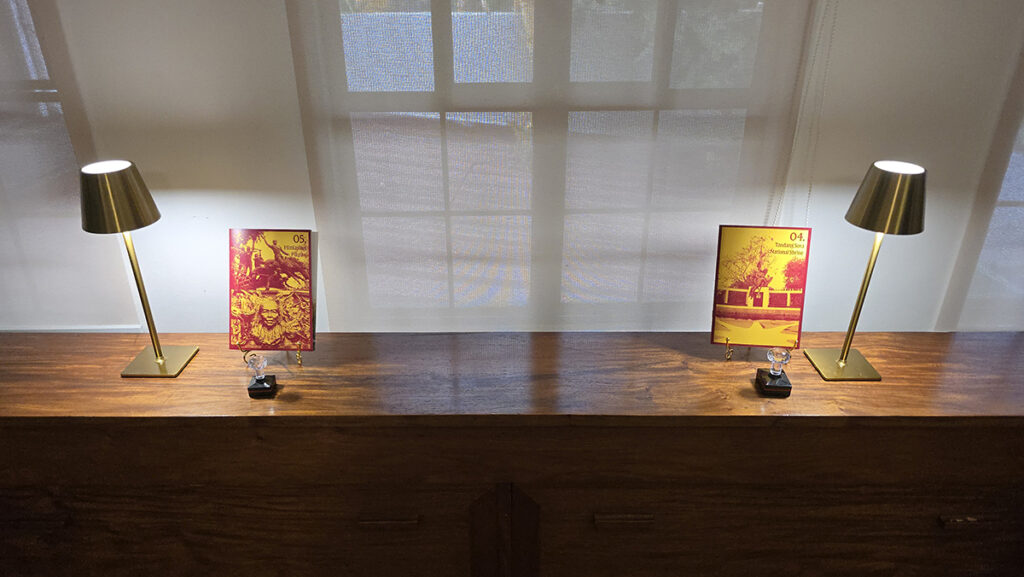
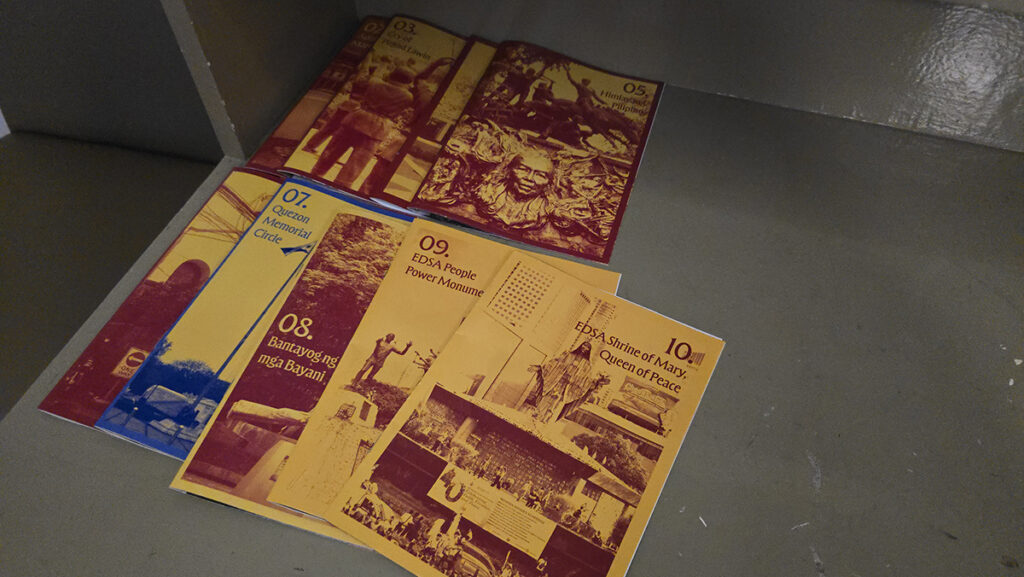
The featured monuments are the Andres Bonifacio monument, the Apolonio Samson marker, Bantayog ng Mga Bayani, Cry of Pugad Lawin, the EDSA People Power Monument, EDSA Shrine, the Emilio Jacinto Memorial Shrine in Himlayang Pilipino, Holy Cross Parish, Quezon Memorial Shrine, and the Tandang Sora National Monument. It’s a little embarrassing for me to admit that I’ve only been to four out of these 10 monuments, and I can’t even include the Emilio Jacinto shrine because all we did at Himlayang Pilipino when I was in high school was hang out at the top of the hill, eat a lot of chips, drink a lot of Coke, and play with plastic balloons XD
Essentially, the main goal of the exhibit and Dalumpines’s work is to first make more people aware of the existence of QC’s monuments and highlight their historical and cultural importance. What she’s done so far has also had the effect of revealing the shortcomings of each location, particularly in terms of their looks and their accessibility. For example, Dalumpines shared that her photograph of the Holy Cross Parish in Krus Na Ligas has made the local government unit (LGU) realize that the surrounding area needs a clean-up and that electrical cables were blocking the view of the church.
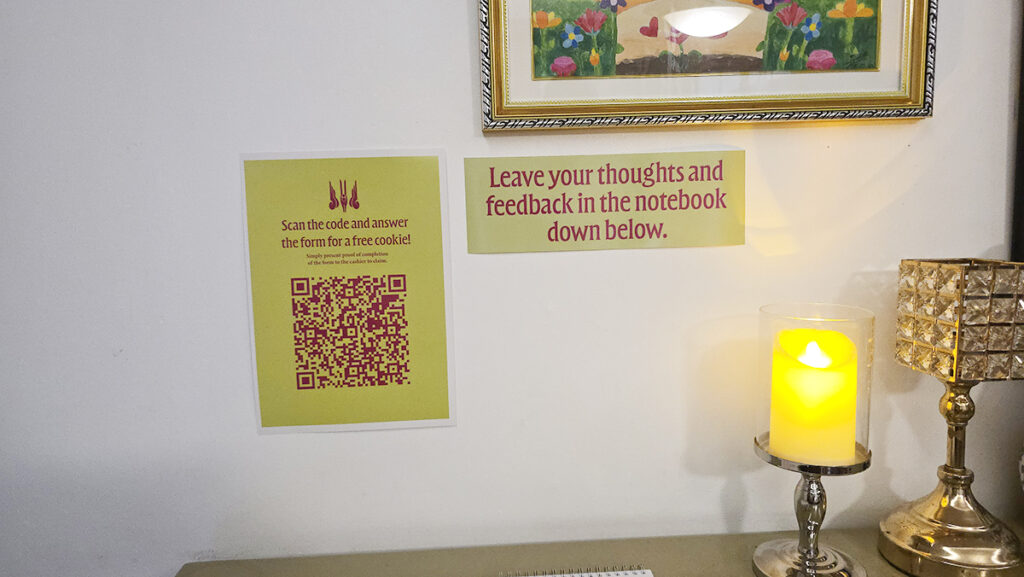
The exhibit is meant to help the researcher refine the project and if I could offer up my own feedback, I’d say that the write-ups in each booklet could be more brief and interesting to read. The current content was provided by the LGU, and it’s good enough for people to see how it will be presented in the final version of the project. But the actual book or booklets for this thesis should have much more engaging details and read less like an encyclopedia entry. Perhaps a QR code can be incorporated, which would lead to a Wikipedia entry or a webpage that offers a more detailed historical background of the events depicted by each monument.
I have to say that “Stories in Stone” is a lovely, thoughtful project. It shows appreciation for history and offers a way for people to perceive the relevance of the monuments. I also couldn’t help thinking about how much I love this for a thesis; it’s a nice way to get into local history and encourages people to get out and engage more with their surroundings. Really looking forward to hearing about how this project will progress. So far, I think it’s already an effective one; it’s already made me decide to check out the six monuments I have yet to visit and perhaps even make a list of other monuments in the city.